
How Game Events Keep Players Engaged

Game events have become a familiar ingredient in modern gaming. Whether they arrive as weekend challenges, holiday celebrations, or surprise collaborations, these temporary additions give players a reason to return and see what has changed. They can also make a familiar game world feel more dynamic without requiring a complete overhaul.
At the center of this strategy is game events engagement. By introducing time-sensitive objectives, exclusive rewards, and unusual activities, developers can create a steady rhythm of discovery. As game designer Jesse Schell puts it, “A good game is a problem-solving activity, approached with a playful attitude.” Events build on that principle by continually giving players new problems to solve.
The Role of Game Events
Game events serve more than a decorative purpose. They can refresh the player experience, alter established routines, and create short-term objectives that complement a game’s core progression system.
Limited time content
Limited-time content creates a natural sense of urgency. Players know that an event will eventually disappear, so an otherwise optional activity can suddenly feel more meaningful. This scarcity can take many forms, including temporary maps, special quests, exclusive cosmetics, or event-specific storylines. The content does not necessarily need to be enormous. Even a modest addition can feel significant when it exists for only a few days or weeks.
Special rewards
Rewards provide another strong reason to participate. Event-exclusive skins, currencies, equipment, badges, or customization items can give players a tangible payoff for completing objectives. The most effective rewards often complement rather than disrupt normal progression. A cosmetic item, for example, can provide prestige without creating an overwhelming imbalance between event participants and other players.
New gameplay activities
Events can also introduce activities that differ from the usual gameplay loop. A competitive shooter might add an unusual game mode, while a role-playing game could introduce temporary puzzles or cooperative encounters. These variations create ludic novelty. Players get to experiment with familiar mechanics in unfamiliar circumstances, which can make a long-running title feel less predictable.
Events That Encourage Participation
Successful events that encourage participation usually lower the barrier to entry while giving players meaningful reasons to remain involved. Participation can begin with a simple task and gradually develop into deeper engagement.
Daily challenges
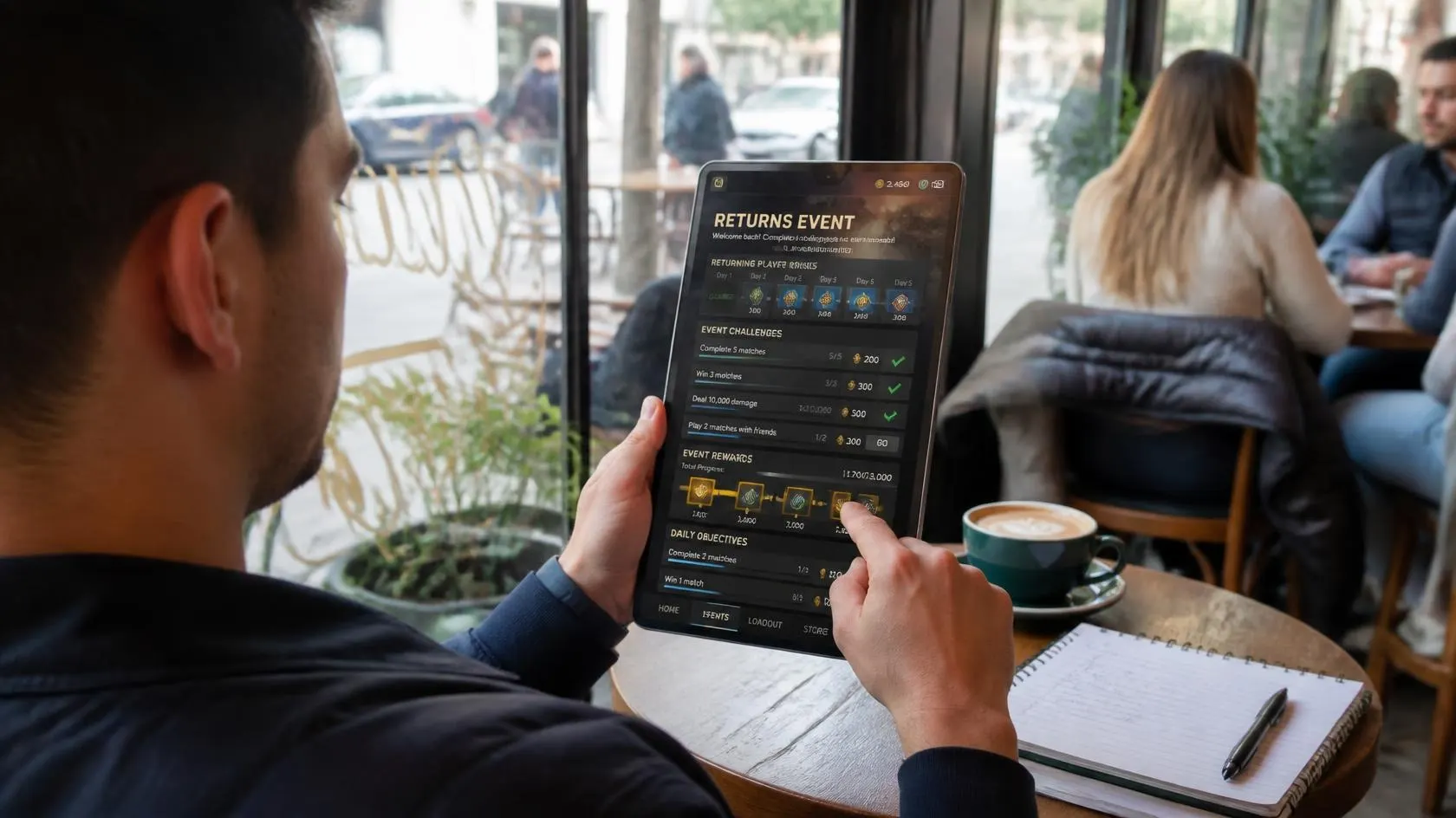
Daily challenges give players manageable objectives that can be completed within a short session. This structure fits naturally into busy schedules while establishing a recurring reason to log in. Challenges can involve winning matches, collecting resources, defeating specific enemies, or completing quests. Rotating objectives also prevent the routine from becoming overly monotonous.
Seasonal activities
Seasonal activities connect game worlds with recognizable periods such as winter, summer, anniversaries, or fictional in-game festivals. These events can transform environments, characters, and missions for a limited period. Because seasonal content returns periodically, it can also become part of a game’s long-term identity. Players begin to anticipate what the next iteration might contain.
Community goals
Community goals turn individual participation into a collective endeavor. Players may need to defeat a shared number of enemies, gather resources, or complete a global objective before everyone receives a reward. This structure adds social momentum. A player’s contribution feels more consequential because it becomes one fragment of a much larger communal achievement.
Keeping Players Active
Sustained engagement requires more than occasional novelty. Developers need a cadence that balances fresh experiences with progression and competition without making participation feel obligatory.
Fresh content
Fresh content gives returning players something new to investigate. Even small changes, such as new quests, maps, modifiers, or collectibles, can disrupt repetition. The key is variety. Repackaging the same objective too frequently can make events feel formulaic, whereas thoughtful variations preserve curiosity.
Progression rewards
Progression systems give players a visible sense of advancement. Event passes, milestone tracks, achievement tiers, and collectible sets can turn participation into a gradual journey rather than a series of disconnected tasks. Clear milestones are particularly useful because players can immediately understand what they have accomplished and what remains ahead.
Competitive events
Competitive events appeal to players who enjoy mastery, ranking, and measurable performance. Leaderboards, tournaments, timed trials, and ranked challenges can add intensity to otherwise familiar mechanics. However, competitive structures work best when the rules and rewards are transparent. Players should understand how progress is measured and what they can gain from participating.
Discover More Engaging Game Events
Game events can function as a powerful engagement mechanism when they combine novelty, achievable objectives, meaningful rewards, and appropriate pacing. Limited-time content creates urgency, seasonal activities provide variety, and community goals introduce a collective dimension.
Ultimately, game events engagement depends on giving players compelling reasons to return without making the experience feel repetitive or compulsory. When events complement the core game instead of overshadowing it, they can keep familiar worlds feeling active, evolving, and worth revisiting.


