
Why Game Customization Keeps Players Engaged

Game customization has become a defining feature of many modern titles. Instead of controlling a predetermined hero, players can shape characters, outfits, equipment, and even play styles around their own preferences. That sense of authorship can make an ordinary playthrough feel more personal and memorable.
The appeal of game customization features comes from giving players meaningful choices. Whether someone prefers an intimidating warrior, a colorful avatar, or a carefully optimized build, customization allows the game to accommodate different tastes while creating more reasons to keep playing.
The Appeal of Game Customization
Customization turns players from passive participants into active creators. Even small decisions, such as selecting a hairstyle or changing an outfit, can establish a stronger connection with an in-game character.
Personalized Characters
A personalized character can feel like an extension of the player. Choosing facial features, hairstyles, body types, clothing, and accessories allows players to create avatars that reflect their preferred aesthetic. This process can also make progression more satisfying. As new customization options appear, players have another reason to explore different areas, complete challenges, or continue playing.
Visual Choices
Visual customization can dramatically change how a character feels without necessarily altering gameplay. Armor colors, costumes, weapon designs, animations, and cosmetic effects can provide an extensive visual vocabulary. These choices are particularly appealing in multiplayer games, where distinctive appearances help players recognize their characters and showcase their preferences.
Player Expression
Customization provides a form of expression that exists beyond dialogue choices or gameplay decisions. A carefully designed character can communicate personality, taste, humor, or even a preferred gaming identity. This principle is central to personalization in modern games, where visual identity increasingly complements traditional progression systems.
Customization in RPG Games
RPGs are especially well suited to customization because they already revolve around character development. Players expect their decisions to influence how their characters look, fight, and evolve throughout an adventure.
Character Appearance
RPG character creators can offer an impressive range of options, from facial details and hairstyles to clothing and body features. These systems give players the opportunity to construct protagonists that feel distinctive rather than generic. Even when two players choose the same class, their characters can look remarkably different.
Equipment Options
Weapons, armor, accessories, and cosmetic items add another layer of personalization. Equipment can influence both appearance and combat performance, making each new item potentially meaningful. A newly acquired sword, cloak, or helmet can therefore become more than loot. It can represent progress while reinforcing the player’s preferred identity.
Build Variety
Customization becomes even deeper when players can shape character builds. Skill trees, attributes, abilities, and equipment combinations allow different approaches to combat. One player might favor direct damage and durability, while another prefers mobility, defensive abilities, or tactical support. This variety helps prevent a single optimal approach from defining the entire experience.
How Personalization Drives Engagement
The strongest customization systems do more than offer cosmetic menus. They create choices that influence how players approach the game and how strongly they identify with their characters.
Unique Play Styles
Customization can encourage players to experiment with unfamiliar strategies. Different combinations of skills, equipment, and abilities can produce distinct play styles, turning experimentation into part of the entertainment. That flexibility can also make repeated playthroughs feel less repetitive. A familiar game can take on a different character when approached through another build.
Creative Freedom
Creative freedom gives players room to experiment without requiring every decision to follow a prescribed formula. Some players enjoy meticulous optimization, while others simply want an unusual-looking character. Game systems that accommodate both tendencies can appeal to a broader audience. As designer Sid Meier famously put it, “A game is a series of interesting choices.” Customization expands that series by giving players more opportunities to make decisions that feel personally significant.
Long Term Attachment
Players often become more attached to characters they have shaped themselves. The character is no longer merely part of the game’s narrative, it becomes a record of decisions, achievements, experiments, and memorable moments. Over time, that accumulated identity can make returning to the game feel familiar without becoming entirely static.
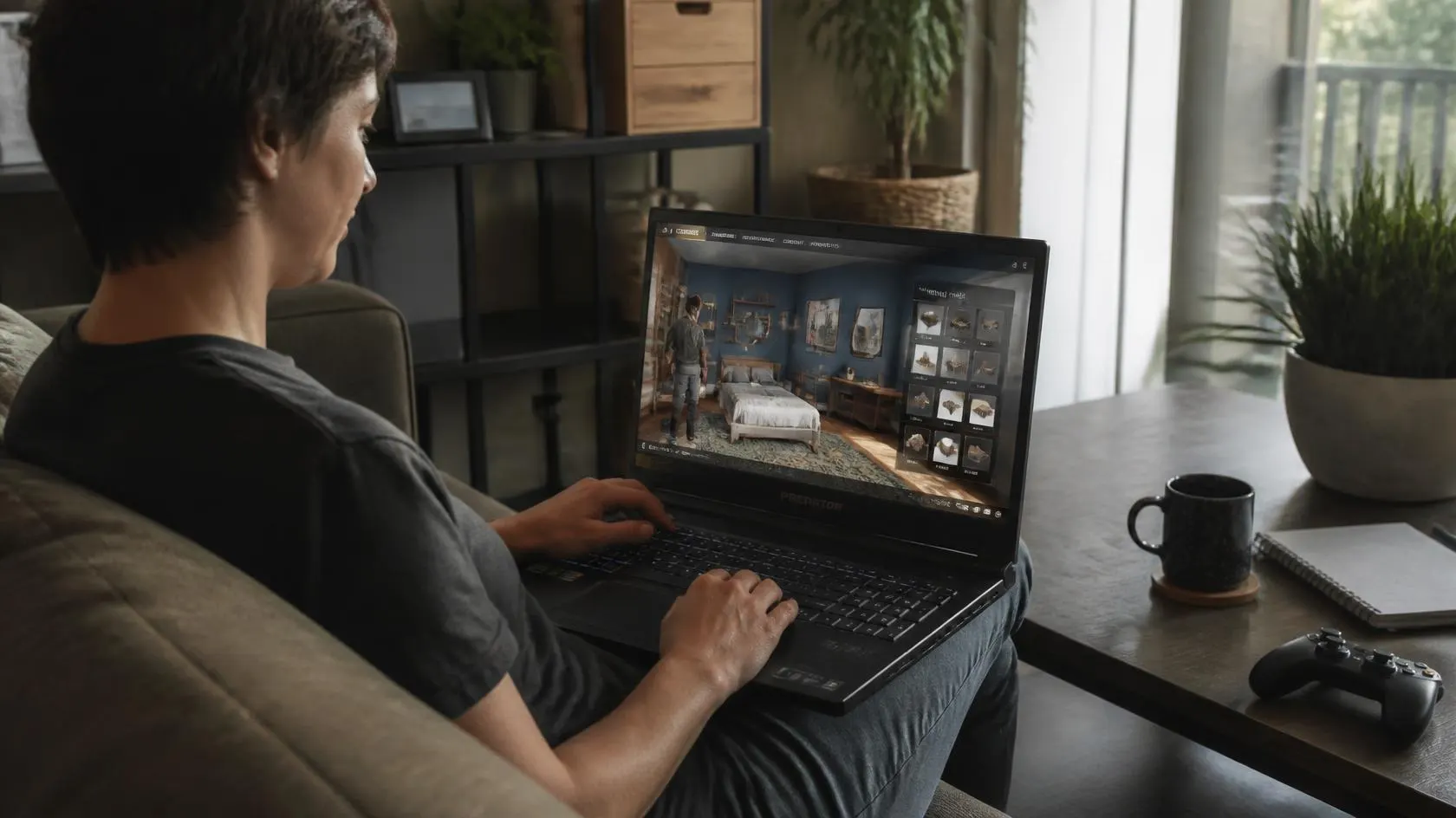
Explore More Customization Options
The continued popularity of customization demonstrates how small choices can have considerable experiential weight. From character creators and cosmetic items to intricate RPG builds, these systems give players greater control over how they experience a virtual world.
When customization is thoughtfully integrated with progression and gameplay, it can transform personalization into an enduring source of engagement. Players are not simply moving through a designed world, they are leaving their own imprint on it.


